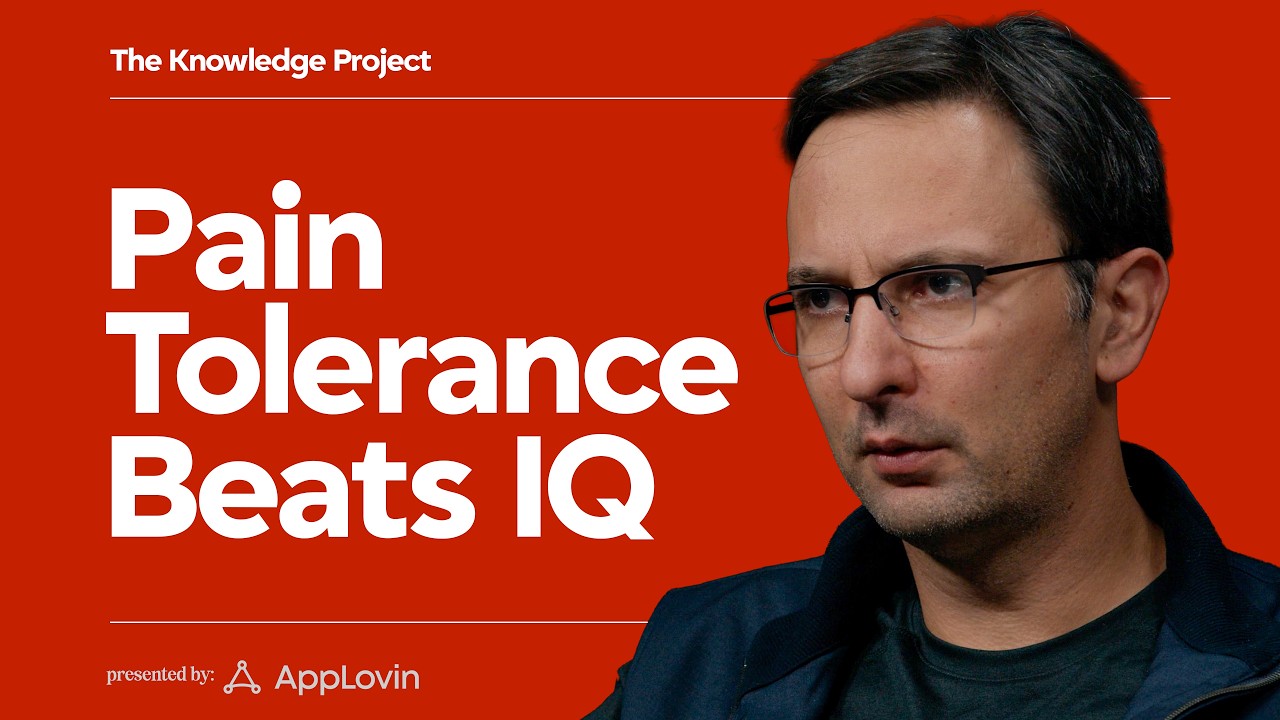
In this interview, Opendoor CEO discusses his dramatic turnaround of the company when it was months away from bankruptcy. He describes arriving at the office determined to identify and eliminate the practices destroying the company, immediately requesting a complete audit of all employees, contracts, and payments from the prior twelve months.
He found that Opendoor had become a company run by professional consultants focused on avoiding visibility rather than driving results. The largest external expense was not cloud infrastructure but consulting firms that had advised the company to offshore jobs, increase overhead, and cut engineering—the opposite of creating value. When the CEO fired these consulting firms by publicly stating "Whoever wrote this doesn't work at Opendoor anymore," they resigned their account, saving him money and eliminating an obstacle to change.
Core Turnaround Principles
The CEO identifies three foundational principles for business turnarounds:
Violent Change of Defaults: Changing entrenched defaults requires aggression without gradual change management. When Opendoor was fully remote, he mandated immediate return to office with no transition period, causing discomfort that separated committed employees from those merely going through the motions. This jarring approach worked better than months of gradual transition plans that had previously failed.
Clear Expectations: Mission statements must be specific and honest rather than bland platitudes about doing good. The company's career page was changed from promising a "happy place to work" to stating plainly "this will be hard," designed to attract people genuinely committed to difficult work rather than those seeking comfort.
Truth Over Feelings: This principle requires absolute commitment to facts regardless of emotional discomfort. The CEO emphasizes that comfortable "white lies" accumulate and push companies off course. He created a culture where disagreement is not just permitted but mandatory—it's considered rude not to voice concerns. The framework is "say the thing, not the person"—critique ideas, not individuals.
Cultural Transformation
The company had become a victim mentality culture blaming external conditions rather than taking responsibility. Upon closer inspection, the CEO discovered about a dozen individual contributors who had kept the company alive despite the toxic culture. He rebuilt the organization around these exceptional performers, identifying that competent but mission-misaligned employees are the most dangerous—they use their skill at internal politics to tilt the organization in destructive directions.
The CEO implemented a principle of "do things, tell people" rather than the typical corporate pattern of "tell people, do things." This required eliminating unnecessary approval chains. He gave frontline employees corporate cards and direct access to information so they could solve problems immediately—such as calling utility companies to turn on power in homes—rather than filling out forms that required multiple manager approvals.
Business Model and Market Making
Opendoor operates as a market maker for housing. The CEO explains that successful internet platforms follow a pattern: discovery (solving the "how do I find X" problem), then trust-building (knowing who you're dealing with), then the third player emerges by underwriting risk on both sides of transactions. Amazon exemplifies this—it won over eBay not through different strategy but superior execution of the same basic strategy.
Opendoor makes thin margins on home transactions but generates real profit from ancillary services: mortgage, insurance, title, and escrow. This model mirrors how Google doesn't profit from searches but from ads shown during searches, and how Shopify can offer software at near-zero cost while profiting from merchant services.
Key Mental Models
The CEO relies on three mental models. Friction is underestimated: Reducing friction in any system produces more of whatever you're reducing friction on. By eliminating the eleven steps and numerous people involved in getting home purchase offers, Opendoor increased volume six to seven times.
The map is not the territory: Most corporate executives run companies on dashboards, which are derivatives of facts, not facts themselves. This leads to drift from reality—like a new pilot making small turns in clouds and ending up inverted. The CEO emphasizes the need for direct contact: visiting homes, reviewing raw databases, talking to customers weekly. This prevents the dangerous accumulation of acronyms and in-groups that signal a company has become internally focused and lost touch with reality.
Truth over feelings reflects that many people confuse empathy with truth-telling. Facts don't care about feelings, and suicidal empathy—assuming everyone is thin-skinned—kills companies. This ties to the importance of language precision: words like "leverage" and passive constructions like "legal decided" obscure responsibility and enable evasion of accountability.
AI and Future Strategy
The CEO describes the turnaround not as a traditional rescue but as building a new company enabled by AI. Opendoor developed an "AI exoskeleton around every human being" that made employees three to four times more efficient. In the most recent quarter, the company bought as many homes as it had in the past while keeping operating expenses half what they previously were, despite rising labor costs.
AI reduces the need for management layers by improving information sharing and decision-making speed. It fundamentally changes competitive dynamics—companies that use AI well will win, and those that don't will lose.
Personal Philosophy
The CEO applies these principles to life beyond business. He compares personal transformation to addiction recovery: acknowledgment of the problem, taking ownership, tracking accountability, and repeatedly doing the right thing until results follow. He credits his ability to accept criticism and failure to immigrating from Iran as a teenager—having failed to join exclusive clubs early, he later had little concern for others' approval.
He emphasizes that most limitations are self-imposed and pain tolerance is higher than people believe. Running a public company is only difficult if you care what critics say; he never has. Playing rugby—a sport with no North American audience—taught him the joy of "bleeding out while winning as a team."
His definition of success centers on leaving a dent in the world. With four young children, he wants them proud of his career despite the time his ambition requires from them. He views this sacrifice as justified only if directed toward meaningful impact.