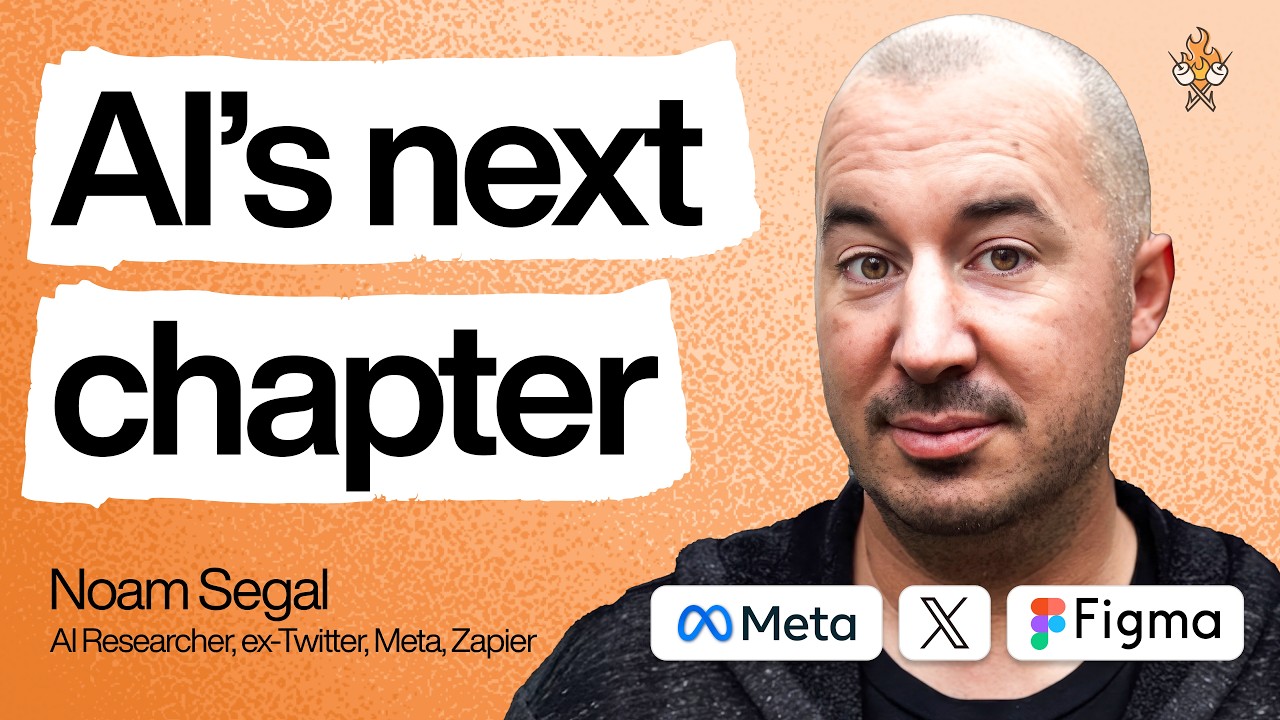

The tech industry is experiencing unprecedented bifurcation in how workers feel about their jobs and AI, according to a major sentiment survey of roughly 6,000 tech workers conducted by Noam Segal and host Lenny Prabhakar. The results reveal a workforce split almost exactly in half: 50% of tech workers feel amplified and energized by AI capabilities, while the other half experience destabilization, diminishment, or conflicted confusion about their professional future.
Key Findings
The AI Identity Divide. Only 3% of respondents said AI hasn't shifted their professional identity. Among the rest, 50% feel amplified (able to do more and better work), 27% feel their roles are being redefined with unclear implications, 14% feel destabilized with high anxiety, and 5% feel diminished. Notably, the effect size of AI on job satisfaction is roughly three times larger than other major factors like manager effectiveness or founder status—the largest impact on worker sentiment ever measured in the survey's history.
Burnout and Optimism Diverge. Burnout has surged from 44.7% in 2025 to 54.7% in 2026, with more than half the workforce now experiencing significant burnout. Simultaneously, career optimism dropped from 54.8% to 48.7%. Despite this, job enjoyment remains high—workers report having more fun than ever, but they're exhausted from the relentless pace and expectations to do more for the same compensation. Segal describes this as "smiling exhaustion."
Four Archetypes Emerge. Energized workers (41%) view tech as an amusement park of possibility. The conflicted ambivalent middle (35%) experience simultaneous excitement and deep uncertainty. The disoriented (12%) feel like "farmers on the cusp of the industrial revolution" with no clear path forward. The resentful (12%) feel pressured to use AI under threat of job loss, with no enjoyment in their work.
The Recommendation Crisis. When asked whether they'd recommend their role to someone entering tech, no occupational group—not even founders—scores as a net promoter. Designers and researchers are least likely to recommend their roles, followed by operations and engineering. This represents a dramatic shift, as the industry has historically encouraged entry into these fields. Segal attributes this partly to the "ladder being pulled from under us"—as AI advances up the capability ladder, it removes rungs that new entrants would climb.
Productivity Gains Mask Quality Concerns. While 97% of workers say AI makes them better at their jobs, deeper investigation reveals a troubling reality. Most don't mean quality improved; they mean they produce more volume faster. Many report experiencing "cognitive rot"—accepting AI outputs without applying judgment, leading to diminished thinking skills and self-efficacy. The phrase Segal highlights: "Productivity gains are real, but the quality of the work and the sharpness of the person producing it are taking a hit."
The Real Fear Isn't Replacement. Contrary to narrative emphasis, losing a job to AI ranks second-to-last among worker concerns. The dominant fears are (1) expectation to do more for the same pay—a relentless squeeze enabled by AI's speed—and (2) unsustainable pace, both in work velocity and the rate of technological change requiring constant learning.
Designers and Researchers Suffer Most. Both roles show the highest rates of feeling destabilized or diminished, strongest worry about job loss, most negative emotions (tired, overwhelmed, anxious), and lowest likelihood of recommending their roles. Data analysts are equally concerned about displacement. Segal emphasizes this reflects sentiment, not objective capability displacement, and argues these roles are more important than ever for raising quality ceilings as AI lowers floors.
Founders and Small Company Workers Thrive. The only consistent winner across all measures: founders, with 71% optimism, lowest burnout, lowest layoff worry, highest job enjoyment. Small companies (1-10 people) show dramatically better outcomes than enterprises (5,000+ employees), with every metric degrading linearly as company size increases—no optimal midpoint exists. However, even founders don't recommend the role and still experience moderate burnout.
Manager Effectiveness Is the Leverage Point. Highly effective managers reduce burnout and increase job enjoyment by approximately 65%, representing effect sizes comparable to founding status. Yet only 25% of workers rate their manager as highly effective, and 36% rate them as ineffective. This represents a critical gap, as manager quality appears to be the single most impactful variable leadership can control for retention and wellbeing.
The Emotional Reality. When asked to describe tech now, workers generated a word cloud dominated by: change, chaos, speed, excitement, flux, hype, instability, bubble, opportunity, confusing, and exhaustion. Sentiment analysis revealed 37% positive words, 37% negative, and 26% neutral—a perfect bifurcation. Noam uses the quote "We're in the second inning of a massive shift. No one knows how it will end, but all you can do is keep taking at bats."
Recommendations for Employees
Workers feeling overwhelmed should: (1) pick a few specific applications for AI and go deep rather than attempting generalist mastery across everything; (2) watch the squeeze—scope creep without compensation—and discuss realignment with managers; (3) invest in the manager relationship, which matters more than nearly anything else; (4) consider smaller companies or starting ventures if possible; (5) if early career, seek strong mentorship and managers committed to development.
Recommendations for Leaders
Companies should: (1) massively invest in manager training and development (only 25% are rated effective); (2) manage expectation creep by preventing the squeeze that's burning out workers; (3) protect entry-level pathways and don't let the bottom rungs of the ladder disappear; (4) pay particular attention to design, research, and analytics roles experiencing the most destabilization; (5) recognize that AI's impact is not uniform—leaders must actively support those being destabilized while channeling the energy of those energized.
Segal closes by emphasizing that underlying all technological advancement are people experiencing the most massive shift of their lives, often feeling excited and terrified simultaneously. He calls for focus on people, not just technology, and notes this is the most "normal" the industry will likely ever feel—complexity and change will only increase.